


With everything from excavating and project archaeologists to archivists, historians and administrative staff on the staff list, it was essential for Kroppedal Museum to find a flexible system that could help them keep track of the many projects and employees with different collective agreements. They found it in the Intempus time tracking system with integration to the e-conomic system.
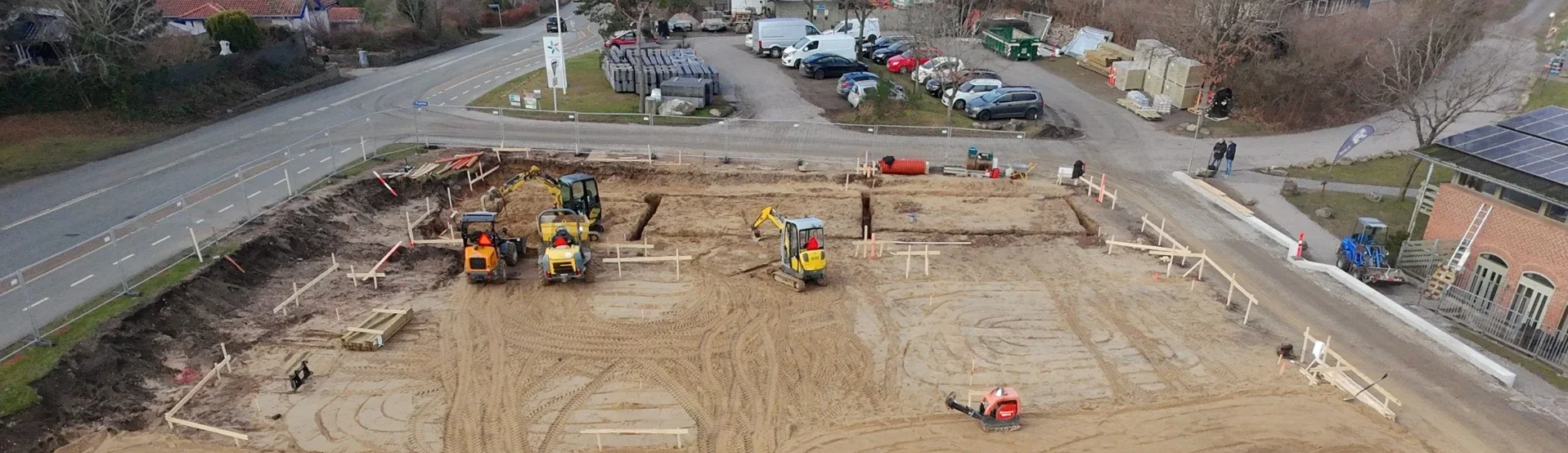
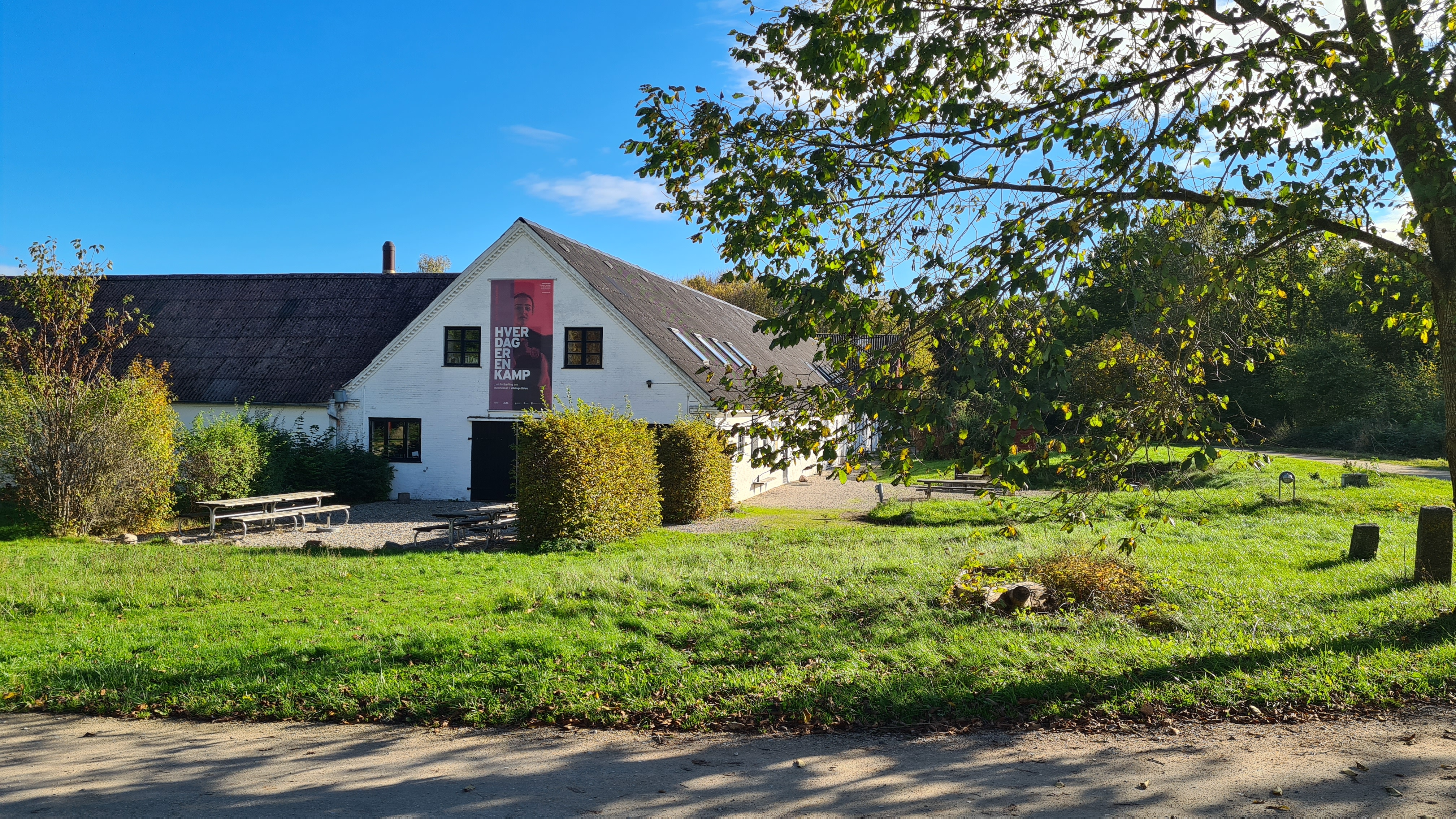
Kroppedal Museum is located in Vestskoven just west of Copenhagen - a place with the history of the western region and astronomy at its centre. Every day, around 24 employees work to investigate selected sites in the area through archaeological excavations, to ensure the preservation of cultural and historical values, and to communicate both old and new stories from this historic and scenic place. In 2021, they switched to Intempus with e-conomic integration because they needed a system to handle the many projects that their archaeological department works on. Michala Kure, who has been Accounting Manager at Kroppedal Museum for 3 years now, where she has also helped implement Intempus with integration to e-conomic with project management.
“When I started 3 years ago, I knew that I was going to help find a solution that could make it easier to manage the roughly 60 projects that we constantly work on here at the museum. Every place we dig is a project in itself, and we needed to get a better overview of those. And then we needed something that could replace all the extra time associated with managing the projects in Excel while at the same time minimising the risk of manual errors, says Michala Kure, Head of Accounting at Kroppedal Museum.
Flexible solution for project managers and archaeologists in the field
The project managers and other employees at Kroppedal Museum have embraced the system. First and foremost, the solution has made it easier for the project managers of the various excavations to keep an ongoing overview of the projects. Whereas before they only had to get project reports once a month, they can now pull them out of the system whenever they want:
“Project managers can now go in and pull out project cards on an ongoing basis, so they can always get an overview of who has worked on which projects and how many materials, expenses and field allowances are associated with them,” explains Michala Kure.
Other employees, including the archaeologists, have also experienced how the transition to Intempus has made their daily time tracking more flexible.
“When our archaeologists are out digging, they just have their phone on them and they can report immediately. They don't need a computer or a place with internet. It works really well,” explains Michala Kure.
At the same time, the handling of expenses has become easier. For example, archaeologists must receive field allowances every time they dig, so once they have registered this in their Intempus app, Michala Kure and the other administration staff can easily draw up lists and pay out the correct salary.
Secure system and greater data availability
In addition to a better overview for project managers and easier time registration for archaeologists, the system has helped minimise errors in the administrative department:
“Errors don't happen in the same way as before. When we first got Intempus, I ran an Excel sheet in parallel with the project management to catch any discrepancies, but when something has happened, it has turned out to be the manual actions that are at fault. Not in the system. It's reassuring and makes me trust the system,” says Michala.
The data has also become more accessible to employees. For example, employees can now view their holiday and time off balances whenever they want, instead of having to involve the administration every time as they used to:
“Before, employees couldn't see what holiday they had earned or how much holiday they would have earned at a certain date in the future, so if an employee needed that overview, we in the administration always had to go in and pull out the lists. Now we don't have to spend time on that. And at the same time, we can feel that having access to the data creates security for the employees themselves,” says Michala.
Michala concludes by saying that the next step for the museum is to get an integration with Dataløn, so that expenses, for example, can be automatically transferred to the payroll system. In this way, their administration will run as automatically, securely and smoothly as possible.