




Stay compliant with Intempus
According to EU law on time tracking, all employers must provide a system for recording employees' working hours. With an easy solution from Intempus, you can ensure you comply with all requirements.

What should The system could?
The legal requirement for time tracking, which came into force on 1 July 2024, means that you as an employer must provide a system for your employees to record time and absence.
There is methodological freedom in choosing how to meet the legal requirements as long as the minimum requirements are met:
- The system must be objective, reliable and accessible.
- The system must be able to measure daily and weekly working hours for each employee.
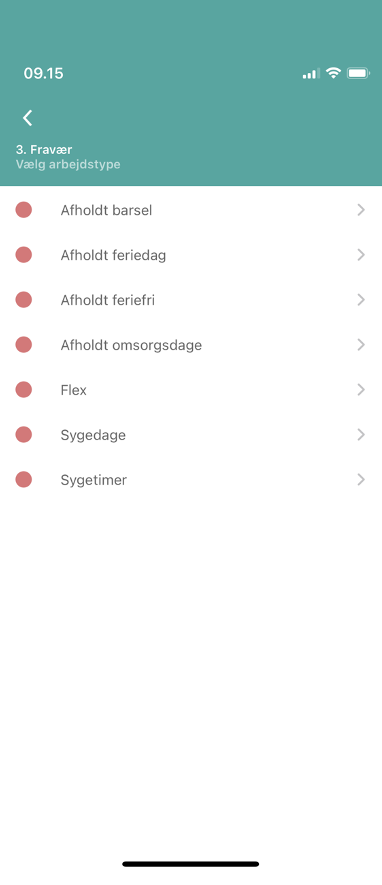
- The system must be accessible to employees so that they can register deviations such as overtime, illness and holidays.
- The information in the system must be stored for 5 years.

Our solution for you
With our Basic package, you get everything you need to ensure legally compliant time tracking - in one smart system for labour time tracking. You and your employees get, among other things:
- Auto registration (Automatic registration of daily working hours)
- Absence registration
- Absence balances (does not apply to overtime, time off in lieu, and flex)
- Expense registration
- Driving registration
- Integration to Payroll system
You can read more about our different solutions and prices here:
Do you want an easy system for statutory time tracking?
Prepare for the future with digital time registration
Autoregistration Make your workday easy
With Intempus’ auto-registration, employees' daily working hours are automatically registered in the system, so all they have to do is register deviations such as illness, holidays, courses and the like. This makes it easy to comply with the new law on time registration.
Easy absence registration
In the Intempus app, employees can also easily register absences, report mileage, expenses, equipment and much more.
They also always have access to view their records of everything from their working hours, holidays and sick hours to their overtime and time off in lieu.
Get that razor sharp edge Overview in the organisation
No matter what type of time tracking you need, administration is made easy with the clear administration module, Intempus Web.
The system can easily integrate with your payroll and ERP systems, allowing your data to flow seamlessly between systems and eliminating administrative duplication. It couldn't be easier to comply with working time regulations and keep track of time and employees in your organisation.


Let's chat!
Do you have questions about how Intempus can help you meet the new legal requirements and make daily administration much easier? Then book a free and non-binding demo with one of our skilled consultants.
Want to hear more?
Frequently asked questions
FAQ about digital working time registration
Do you have questions about the Working Time Act or time tracking in general? Then you can get answers here.
Is it mandatory to register working hours?
Recording working hours is a legal requirement so that both employees and employers can document daily working hours. Proper time tracking ensures compliance with working time regulations and provides a clear overview of hours, breaks and overtime.
Who is covered by the Working Time Regulations?
As a starting point, all employees in Denmark are covered by the rules on working time registration. This means that the vast majority of companies must register employees' daily working hours in an objective, reliable, and accessible time registration system.
The requirement applies regardless of the company's size, industry, and whether the employee works full-time, part-time, or is paid by the hour. The purpose of the law is to ensure that regulations concerning maximum working hours, rest periods, and employee rights, among other things, can be complied with and documented.
What happens if you break the law?
If a company fails to comply with working time recording regulations, it can have both legal and practical consequences. The employer is responsible for ensuring that employees' working hours are recorded correctly, and that the records are stored in accordance with the law.
Incomplete or inadequate working time registration can lead to, among other things:
Risk of disputes with employees If working hours are not documented, it can lead to disagreements regarding, for example, hours worked, overtime, and work organisation.
Order from the Danish Working Environment Authority If the company does not meet the requirements, the Danish Working Environment Authority can demand that the company rectify the situation.
Fines or other penalties Breaches of the rules may result in sanctions if the company fails to ensure correct registration of working hours.
Missing documentation: Without valid time records, the company may have difficulty proving that the rules regarding maximum working hours and rest periods are being complied with.
Does the law also apply to part-time employees?
Yes, part-time employees are also generally covered by the rules on working time registration. This means that the company must ensure that the working hours of part-time employees are registered in the same way as for full-time employees.
The rules apply regardless of whether the employee works a few hours or many hours a week. The purpose of working time registration is to ensure documentation that rules on, among other things, maximum working hours, daily rest periods, and weekly working hours are complied with.
Who is exempt from working time registration?
Only employees who fall under “self-organisers” or employees with management functions may be exempt from working time registration. Most employees are required to register their working hours, as time registration ensures documentation of hours, breaks and compliance with working time regulations.
Who is exempt from the 48 hour rule?
Staff with management functions and self-organisers may be exempt from the 48-hour rule. While they may be exempt, proper time tracking is still important to ensure compliance with the Working Time Act.
How often can you break the 11-hour rule?
You can only break the 11-hour rule in exceptional circumstances where the work requires it. For example, in connection with unforeseen operational problems, emergency work or acute incidents where work cannot be postponed. With Intempus working time tracking, you get a full overview of breaks, rest periods and any deviations, so your organisation is always compliant.
Are managers covered by the 48 hour rule?
Managers may be exempt from the 48-hour rule if they have management responsibility and can organise their own working hours. With Intempus working time tracking, companies can easily document working hours, also for managers, so that the rules on rest periods and days off are correctly observed.
How should working hours be recorded?
Working hours must be recorded according to the Working Time Recording Regulations from 2024, which require all employers to provide their employees with a system that is objective, reliable and accessible. Proper registration ensures that employees' rest periods are respected and that the company can document working hours when checked by the authorities.